NSBA continues to urge Congress to codify and the Administration to limit its changes to rules and definitions related to' independent contractors and employee/employer standard definitions.
NSBA continues to urge Congress to codify and the Administration to limit its changes to rules and definitions related to' independent contractors and employee/employer standard definitions.
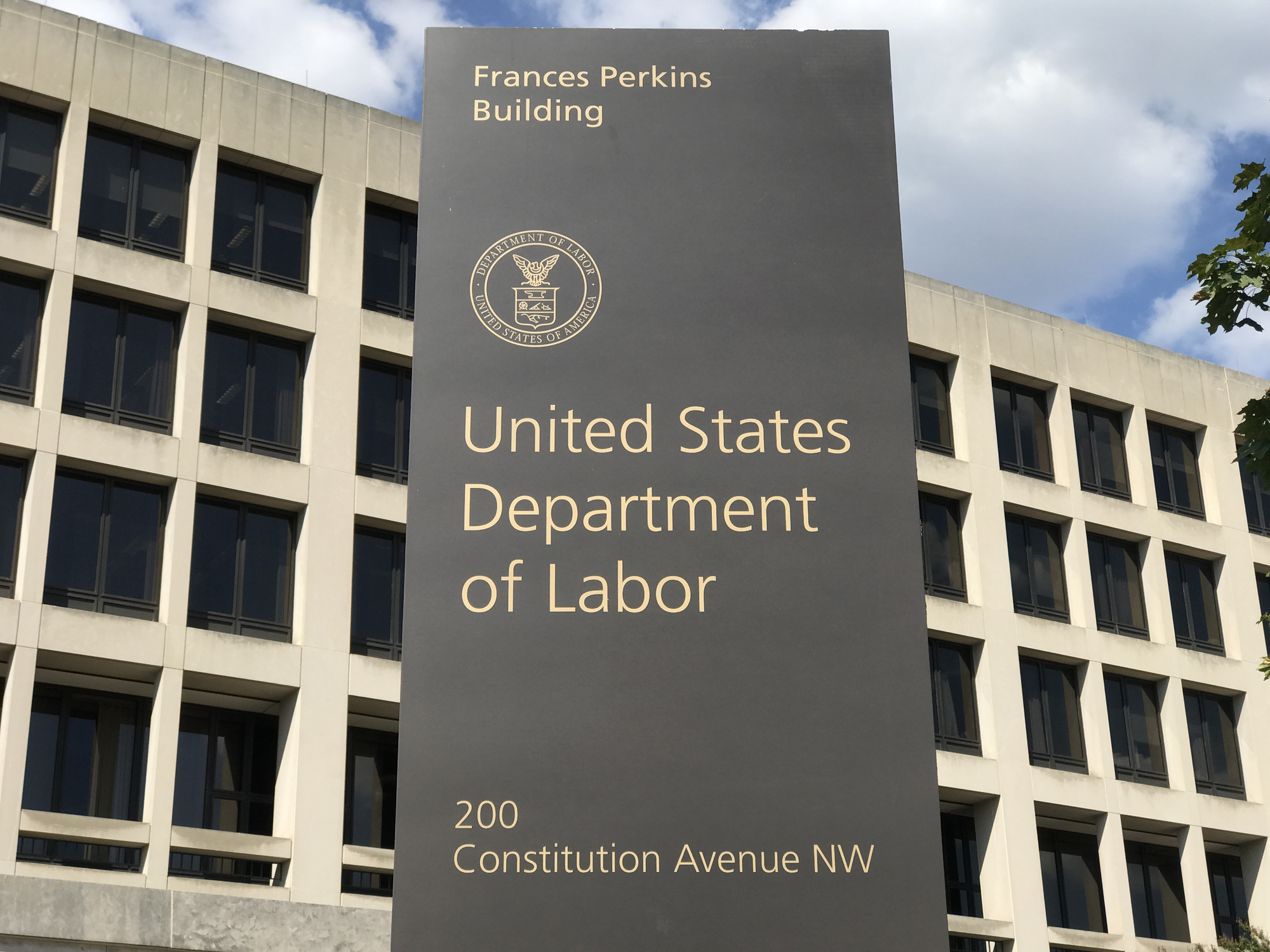
APRIL 29, 2026 | THIS WEEK, NSBA submitted formal comments to the U.S. Department of Labor (DOL) supporting the agency’s latest proposed rule on independent contractor classification, while continuing our broader push for long-term stability and clarity in federal labor standards.
In the comment submission, NSBA endorsed DOL's effort to replace the Biden Administration’s 2024 six-factor “totality-of-the-circumstances” test with a more structured framework focused primarily on two core factors: (1) the degree of control over the work, and (2) the worker’s opportunity for profit or loss.
Elevating these two factors would provide small businesses with clearer, more predictable guidance when determining whether a worker should be classified as an employee or independent contractor.
NSBA's comments argued how the 2024 framework created confusion for employers because no single factor carried greater weight than another, resulting in uncertainty, increased compliance costs, and greater litigation risk for small firms operating in industries, such as construction, transportation, consulting, technology, and the gig economy.
NSBA also praised the DOL' latest rule change for emphasis on actual workplace practices over theoretical contractual rights. With this shift, small-business owners will have better clarity in complying with legal obligations, safety standards, as quality-control requirements should not automatically indicate an employment relationship.
The comments are part of years of advocacy from NSBA to minimize confusing, burdensome, and constantly shifting labor standards and joint-employer policies. In previous statements and updates, NSBA repeatedly warned that expanding joint-employer definitions could expose small businesses, franchisees, contractors, and suppliers to heightened legal liability and discourage larger firms from working with smaller independent businesses.
Earlier this year, NSBA applauded the National Labor Relations Board for reverting to the 2020 joint-employer standard, which focuses on whether a company exercises “substantial direct and immediate control” over another company’s employees. NSBA described the move as a return to a narrower and more administrable framework that prioritizes actual exercised control over theoretical authority.
NSBA has also strongly backed congressional efforts such as the Save Local Business Act, legislation designed to codify a clear statutory definition of “joint employer” under federal labor law. According to NSBA, establishing a durable legislative standard would reduce the “regulatory whiplash” small businesses have experienced through repeated reversals across administrations.
This same concern is highlighted prominently throughout the our latest comment submission. NSBA pointed to eight major federal actions on independent contractor classification across five presidential administrations, arguing that the constant policy shifts have forced small businesses to repeatedly overhaul contracts, compliance procedures, and workforce arrangements.
Drawing on findings from the 2025 NSBA Small Business Regulations Survey, NSBA stated that regulatory uncertainty remains one of the top concerns for small-business owners.
Armed with this data and perspectives of our 65,000+ member network, we have constantly warned Congress and Administration that frequent changes to worker classification standards can discourage lawful independent contractor arrangements altogether, limiting opportunities for workers who value flexibility and entrepreneurial independence.
As part of its recommendations, NSBA is urging DOL to work with Congress to codify the core elements of the economic reality test into federal statute, arguing that legislative action would provide the long-term stability small businesses need and reduce the likelihood of future administration-by-administration reversals.
"We appreciate the opportunity to comment on this important rulemaking and look forward to working with the Department to achieve worker classification standards that protect workers, support small-business growth, and endure across administrations." - NSBA President and CEO Todd McCracken
Read the full comments here.