New year, same problems lingering on Capitol Hill, with work cut out for Congress returning from the holiday break.
New year, same problems lingering on Capitol Hill, with work cut out for Congress returning from the holiday break.
UPDATE, JAN. 09, 2026 | Lawmakers in the Senate are expected to consider a package of three appropriations bills next week, following overwhelming House approval of legislation funding several major federal agencies through the end of the fiscal year. The House measure covers spending for Commerce, Justice, Science, Energy and Water, and Interior and Environment programs and passed with broad bipartisan support.
Although the vote marks progress for appropriators after months of funding uncertainty, the package faces a slower path in the Senate, where procedural tools allow individual senators to delay or reshape legislation. Democrats are preparing amendments that would push back on recent Trump administration actions, including moves related to Venezuelan oil assets and efforts to scale back a federal climate research facility in Colorado.
____
UPDATE, JAN. 07, 2026 | Congress is continuing to work toward passing a full slate of agency spending bills for 2026. The White House and congressional leadership on both sides of the aisle have signaled disinterest in another shutdown fight, though the possibility of a breakdown in appropriation negotiations remains possible before the current Jan. 30 deadline.
Appropriators released bill text on Monday of a three-bill funding package that is expected to pass, which would fund the departments of Energy, Commerce, Interior, and Justice through Sept. 30.
Despite this progress, Congress still has six other spending measures to move for 2026, having enacted three within the previous stopgap that ended the government shutdown in November. The remaining bills include the two largest measures, which would fund the departments of Defense, Health and Human Services, Labor, and Education. Those measures are likely to be included in another stopgap bill that will extend the current funding deadline by weeks or months.
Follow NSBA for the latest from Capitol Hill.
____
JAN. 05, 2026 | Congress returns to Washington this week with a crowded agenda and very little time on the clock.
For small businesses, the weeks ahead will be critical, as lawmakers confront a looming fiscal deadline and renewed debates over the future of the Affordable Care Act.
At the top of Congress’s to-do list is the January 30 deadline to fund the federal government.
Hot off the heels of the longest shutdown in U.S. history, much of the government is currently operating under temporary funding; however, without congressional action, parts of the government, including resources and support from the U.S. Small Business Administration (SBA), could once again become shuttered.
Specifically, federal uncertainty can delay SBA loan processing and disaster assistance, federal contracting opportunities and payments, and regulatory guidance and agency decision-making, to name a few resources sure to be cut off for the second time in less than a year, should lawmakers allow funding to lapse again.
Even short disruptions can ripple through local economies, particularly troubling for small firms that rely on timely federal approvals or cash flow tied to government programs.
Congress is reportedly weighing several options, including passing full-year appropriations bills or extending funding again through a short-term continuing resolution.
While another stopgap could prevent an immediate shutdown, it would also prolong the uncertainty that makes it harder for small businesses to plan, invest, and hire with confidence.
At the same time, Congress is grappling with what to do about *Obamacare, as enhanced Affordable Care Act (ACA) premium tax credits expired at the end of December 2025. Many Americans, including a number of small businesses, independent contractors, and self-employed workers who purchase coverage on the individual market were relying on subsidies provided via the tax credits. Without congressional action, many enrollees will continue seeing higher premiums in 2026.
Fortunately for those in limbo, lawmakers are reportedly considering proposals ranging from short-term extensions of the enhanced subsidies to broader health care reforms. While there is bipartisan interest in preventing sharp premium increases, disagreements remain over how or whether to offset the cost of extending the credits.
The next few weeks will be decisive: Congress must either reach agreement on funding by January 30 or risk another disruption. At the same time, pressure is building for action on health care costs that directly affect small business budgets and workforce decisions.
RELATED | We've Said it Once, We'll Say it a Thousand Time: Shutdowns Harm Small Business
NSBA will continue advocating for policies that provide certainty, affordability, and fairness for small businesses, and we will keep members informed as negotiations move forward.
____
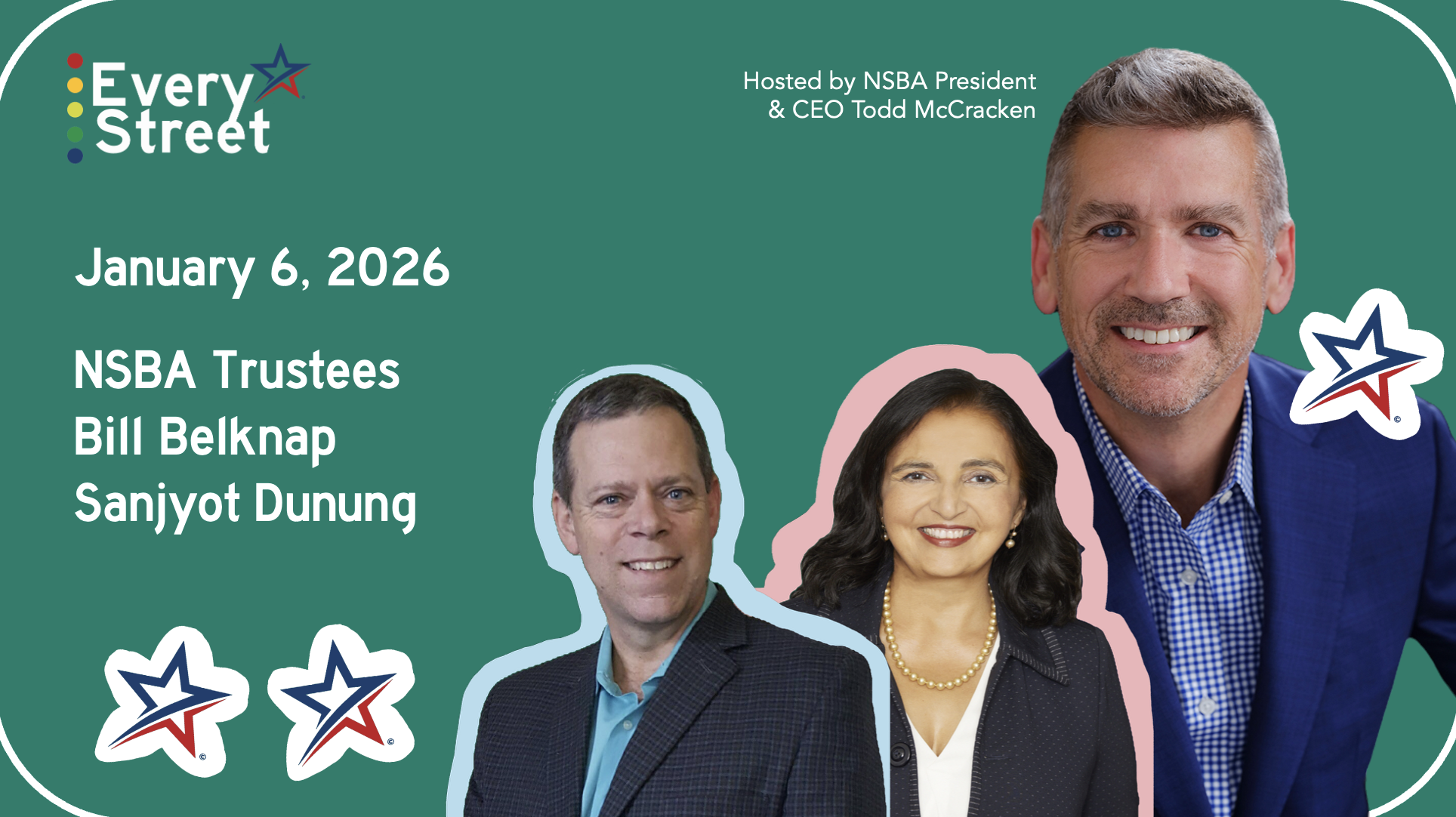
For a discussion on these topics and more, join us tomorrow, Jan. 06, 2026, at 1:00 p.m. EST, live from LinkedIn, for NSBA's inaugural episode of Every Street - a new forum for small-business discussions on how impacts from the nation's most important economic community spread far beyond Main.
Hosted by NSBA President and CEO Todd McCracken, register today!