New labor reform push could reshape small-business workforce dynamics - advocacy matter now more than ever for NSBA and the nation's most important economic community.
New labor reform push could reshape small-business workforce dynamics - advocacy matter now more than ever for NSBA and the nation's most important economic community.
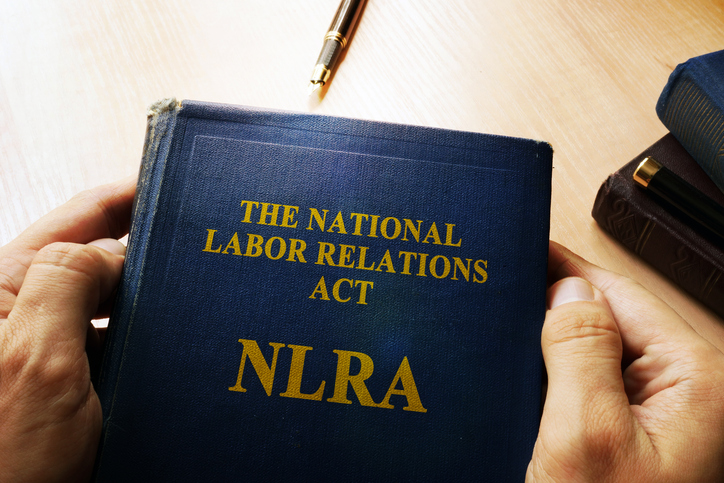
NOV. 10, 2025 | A sweeping package of labor reform bills introduced by Sen. Bill Cassidy (R-La.) could mark the most significant overhaul of U.S. labor law in more than 80 years, with some implications for how small businesses hire, manage, and negotiate with employees.
The proposals, unveiled this week, are directed at the National Labor Relations Board (NLRB) and union election procedures, while introducing new measures around worker protections, documentation requirements, and transparency in union spending.
For small-business owners, this legislative package represents both a potential turning point and a call to engage in shaping federal workforce policy - a process that organizations like the National Small Business Association (NSBA) and its technology-focused affiliate, the Small Business Technology Council (SBTC), are actively leading on Capitol Hill.
Provisions in Cassidy's labor modernization package include:
- The NLRB Stability Act, which would bind the board to follow court precedent, aiming to end the partisan back-and-forth that has led to uncertainty for employers.
- The Workers RESULTS Act, requiring secret-ballot union elections with support from two-thirds of workers, up from the current 30% threshold, to ensure broader consensus.
- The Fairness in Filing Act, which would compel those filing unfair labor practice charges to provide evidence upfront, reducing the number of meritless claims that often tie up small employers in legal red tape.
- The Union Members’ Right to Know Act, mandating unions to disclose their political spending and that workers opt in to any non-representational activities.
Supporters argue these reforms could restore predictability for business owners who have struggled with shifting interpretations of labor law every time political control changes in Washington.
Critics, including union groups such as the International Brotherhood of Teamsters, say the proposals undermine workers’ rights and distract from bipartisan solutions already on the table, such as the Faster Labor Contracts Act, which would force faster bargaining outcomes.
Whether you run a 1-person LLC or a 50-employee operation, these bills touch on fundamental questions about how small companies can build and retain a workforce in today’s economy.
The outcome will likely depend on bipartisan negotiation, which Cassidy says he is confident he can achieve. However, the stakes for small-business owners are high enough that passive observation isn’t a viable option.
___
For small businesses, the ability to influence federal policy often depends on having a collective voice.
Organizations like the National Small Business Association (NSBA), the nation’s oldest nonpartisan small-business advocacy groups, give small-business owners a seat at the table when sweeping reforms like these are debated.
Through its members, NSBA has long pushed for policies that preserve small-business flexibility, encourage job creation, and reduce regulatory friction. Membership offers small-business owners a direct line to policymakers, as well as access to policy briefings, federal agency updates, and opportunities to help shape recommendations before they become law.
In an era where labor policy, tax structures, and federal procurement rules can shift quickly, staying plugged into advocacy organizations ensures that small-business preferences and realities are part of the national conversation, not an afterthought.
Federal policy is evolving faster than ever, and small businesses that engage through advocacy groups like NSBA are better positioned to secure options and autonomy in how they own and operate their companies.
As debates over labor law intensify, small-business voices will be critical to ensuring reforms foster, not hinder, America’s most powerful job-creating engine.