
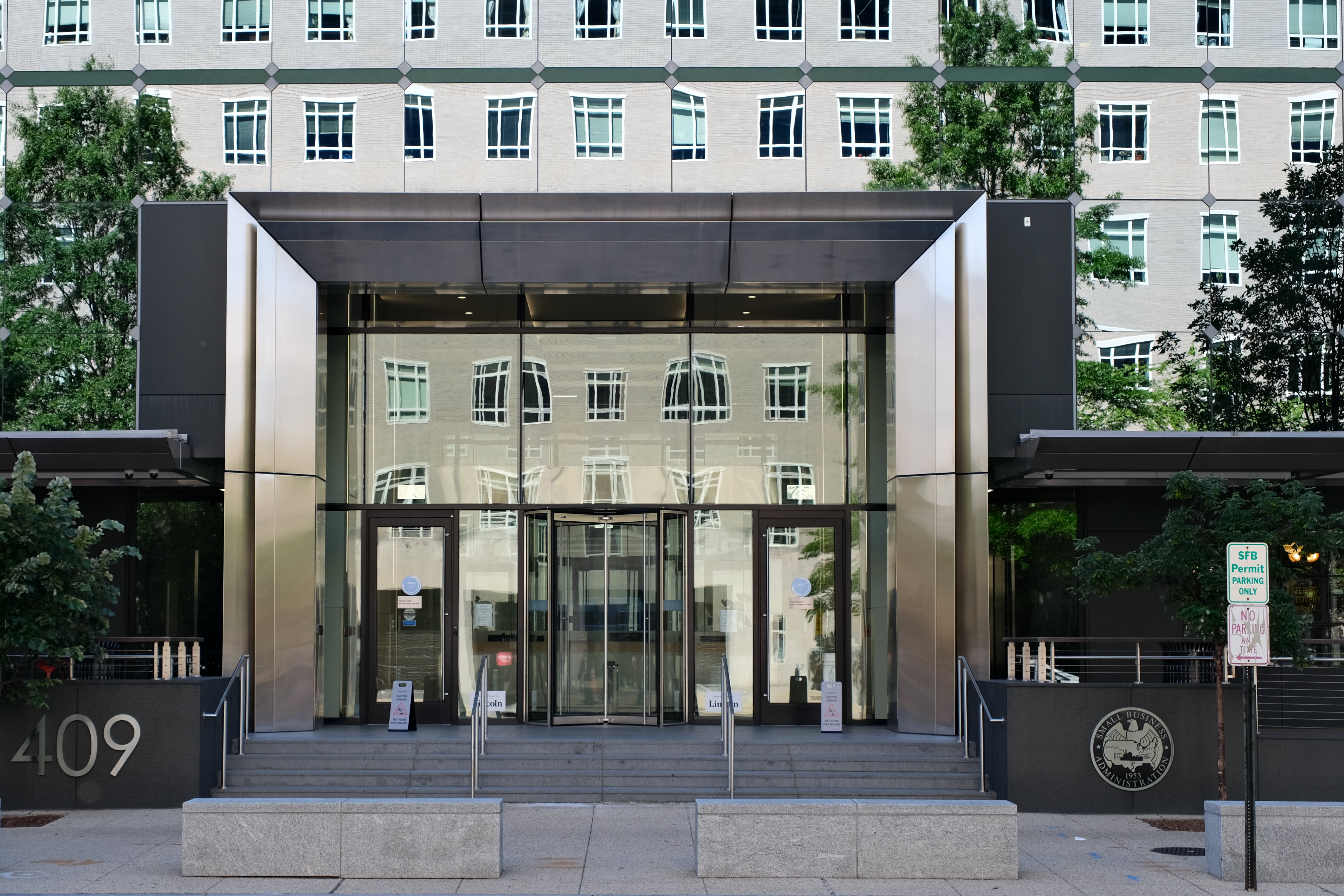
SBA’s proposed overhaul of federal small-business size standards would dramatically expand the number of companies classified as “small,” potentially allowing much larger firms to compete for small-business contracts and benefits. NSBA is urging SBA to reconsider the proposal and extend the expedited 30-day comment period to give small businesses more time to assess its impact.
Late last week, the SBA issued a new proposed rule, which would make major changes to the current federal small-business size standards. Under the guise of “simplification," this proposal would have the effect of dramatically increasing the size of companies considered “small” for purposes of federal programs, including procurement preferences.
The rule proposes a major revamp: the number of categories under the North American Industry Classification System (NAICS) would be dropped from nearly 1,000 to just 338 and could create a significant competitive disadvantage for many small businesses.
The key methodology for determining small vs. large businesses is through evaluating an industry (based on NAICS codes) and those firms deemed “dominant” are considered large firms. Therefore, any business NOT considered dominant is designated as a small business. When a category is consolidated and the number of companies increases, it becomes harder for any one of them to be dominant. Meaning far more businesses are likely to be deemed eligible under these proposed size changes.
This shift could open the door to larger businesses not only qualifying for small-business set-asides,l but being counted toward the federal contracting goal, rendering that measure meaningless.
Looking at one proposed change, the NAICS category Custom Computer Programing Services would skyrocket in revenue caps from $34 million today to a whopping $531 million, a 1462% increase. This means that a company with around $20 million in revenue, because many of these contractors are far under the current cap, could compete with a company earning more than $500 million.
SBA's own estimate is that 114,541 additional firms will now be classified as small. While that might seem like a relatively small number, those firms already have 37,002 contracts, totaling more than $71 billion, an amount 40% as large as those contracts awarded to the entire small business community last year. These were companies that had no problem receiving federal contracts when playing against larger companies.
It’s important to note that these size standards don’t only impact contracting: SBA’s lending programs, the HUBZone and Veteran-Owned Small Business, as well as a host of others, also rely on NAICS codes.
Furthermore, the comment period is an expedited 30 days, which does not give the average small-business owner ample time to evaluate how it will impact their firm. NSBA is strongly urging at best a re-think on the entire proposal, and, at a minimum, more time.
Please click here to tell us how the proposal could impact your firm.
⎯
RELATED | WATCH NSBA's Small Business Size Standards Update Webinar, previously recorded Sept. 09, 2026, here.
Submit comments to Congress on this proposed change from SBA here.